

Difference Between Inbound Marketing vs Outbound Marketing: Which Works Best?
- June 2, 2025
- Uncategorized
In this digital world, if a business wants to succeed, they must have some fast strategies to stay ahead of their competitors. With marketing trends constantly improving, one key area to understand is the Difference Between Inbound Marketing vs Outbound Marketing, as these are the best methods that continue to dominate.
Inbound Marketing is something which focuses on attracting customers naturally i.e. by optimizing website on search engines, creating helpful and valuable content and engaging audiences through social media. Whereas Outbound Marketing, on the other hand, takes a more direct approach i.e. through promotional emails, cold calls and ads that will appear on the devices of the potential customers.
Both strategies are unique and have their own strengths, so one should choose appropriate strategy keeping in mind the objectives that you want to achieve from your business. The best marketing strategy contains the best of both in them, ensuring to attract and engage the right audience while being competitive.
So now let's explore how to lay a winning strategy that sets your product, service, or brand apart.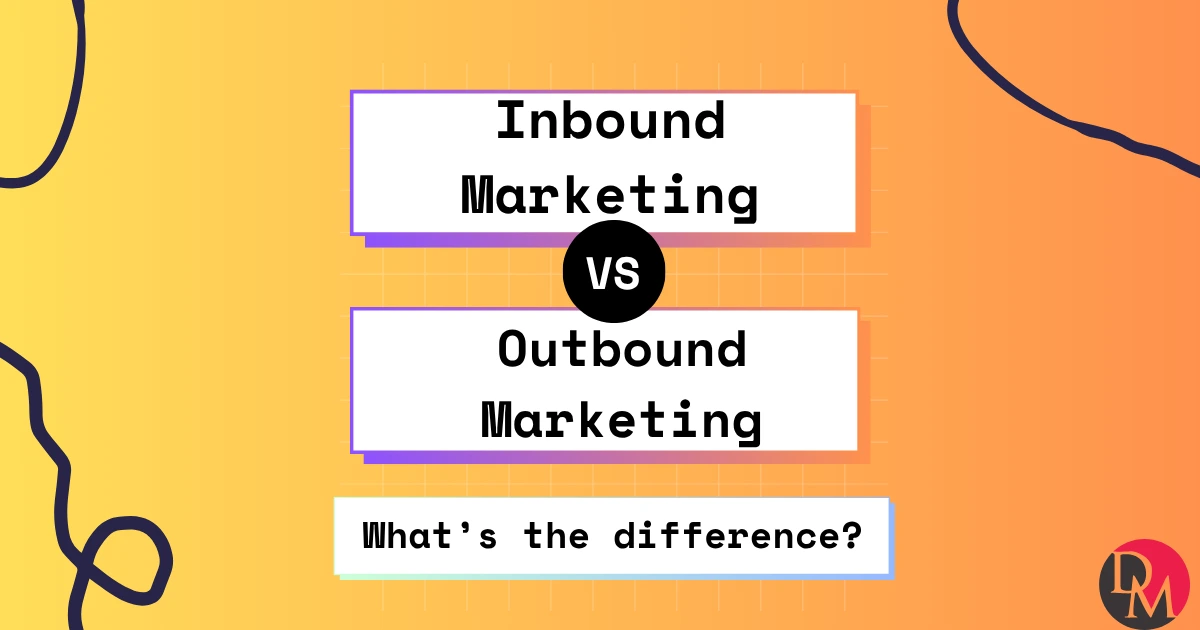
What is Inbound Marketing?
Inbound Marketing is not about chasing after the customers, it's about pulling and attracting them. Instead of showering people with ads, it focuses on creating content that solves the problem of public and lights up their interest. It could be anything whether it is a insightful blog post, helpful tutorial video, or interesting social media conversations, Inbound Marketing nurtures relationships and builds trust.
Some effective Inbound Marketing Strategy includes:
- Blogging with necessary industrial tips and advice
- Engaging on social media to spark conversations
- SEO-optimized content to rank on search engines
- Webinars and tutorials to educate and connect
- Email newsletters that provide helpful insights
- E-books and whitepapers for deeper learning
What is Outbound Marketing?
Outbound Marketing is a traditional marketing approach of about reaching to the potential customers and not waiting for them to reach you. It’s the classic way that aims to reach as many people as possible through broad channels, whether they want to see it or not. It can be sometimes a little intrusive, but it can be highly effective for creating brand awareness and generating quick results when done right.
Some effective Outbound Marketing Strategy includes:
- TV and radio commercials
- Cold calling
- Print ads (newspapers, magazines)
- Billboards and outdoor ads
- Direct mail campaigns
- Email blasts to purchased lists
- Trade shows and event sponsorships
Benefits of Inbound Marketing
1) It Builds Real Relationships :
People don’t want to be sold to—they want genuine value. Inbound marketing is about helping, not just promoting. When businesses provide useful content that solves real problems, they build trust. And trust keeps customers coming back, not just for a single purchase but as loyal fans who spread the word for you.
2)It Saves Money in the Long Run :
Yes, we all agree that it takes a lot of efforts to make great content, but the payoff is worth it. If we don't have enough budgets than ads will stop bringing traffic on your website, but blog posts, videos, and other inbound assets continue to attract and convert leads overtime.
3)Attracts the Right Audience :
Inbound marketing is performed to lure people who are actively searching for the things you offer. By making content for the specific buyer personas and stages of the buyer's journey, you just naturally pull in more qualified lead. All those people who are visiting your website are interested or in need of your product or service, which makes them more likely to convert compared to cold outreach.
4)Boosts Brand Authority :
Providing and sharing valuable, insightful content brings your brand on the top. Customers always give those businesses their trust who educate and engage them, leading to better credibility and higher search rankings over time.
5)Drives Sustainable Business Growth :
Inbound Marketing compounds over time i.e. as your content library increases, your website attracts more visitors, your email list expands, and your lead nurturing improves. Unlike quick-win tactics, inbound builds a steady foundation for long-term, sustainable business growth that adapts alongside your audience's evolving needs.
Benefits of Outbound Marketing
1)Gets Your Message Out Fast :
In some cases, you don’t have enough time to wait for customers to reach you. Outbound marketing helps your message get conveyed to the masses—whether through commercial ads, billboards, or email campaigns. It's a perfect way to show your presence, especially in new markets where potential customers may not be actively searching for you.
2)Delivers Quick Results :
Outbound Marketing Strategies like promotions, limited-time offer, and direct approach can generate leads and sales fast, making it worth-while for time sensitive campaigns, unlike Inbound Marketing, which takes time to build momentum.
3)Gives Full Control Over Messaging :
With the help of Outbound Marketing, you can decide how, where, and when your message is seen. This makes sure brand consistency and allows you to make specific campaigns aligned with product launches, announcements, or company goals without relying on audience engagement or algorithms.
4)Boosts Brand Recognition :
Repetition and exposure build familiarity. Outbound methods like TV, radio, and outdoor ads helps create a strong presence - even if people don't act immediately, they'll always remember you when they need your product.
5)Works Well with Inbound Marketing :
Always keep in mind a smart marketing strategy combines both Inbound Marketing as well as Outbound Marketing. Just for example, advertisements and promotions can drive traffic to visit a website whereas Inbound content builds trust and reliability. Using both methods together helps you reach audience at various stages of their journey and ensures that they create a well-rounded approach that covers all customer touchpoints.
Limitations of Inbound Marketing
1)It Takes Time to See Results :
Inbound marketing often takes time to show results. It isn’t about instant wins—it’s a slow build. Building organic traffic through SEO, creating valuable content, social media engagement and building trust with your audience takes time. If you want quick results to show up, then Inbound Marketing May not be sufficient for you but if you're willing to play the long game, the results and satisfaction will be really worth it.
2)You Have to Keep Creating Content :
A successful inbound strategy relies on high-quality content. Success will not be achieved from just one blog post or video—it’s about staying consistent. In simple words, you have to stay proactive i.e. you should be regularly posting blogs, videos, social media updates, and more. Without consistency, engagement drops, and your visibility can decrease, and it gets harder to attract new leads. Keeping the pace going takes a lot of time and efforts but it will help making your brand relevant, recognizable and trusted.
Limitations of Outbound Marketing
1)It Can Get Expensive :
Outbound Marketing methods like TV, radio, and print ads—can drain your budget fast. In case of Digital Marketing it is easier but in this it's very difficult to track exactly how many people watched your ad or took some action. And it becomes super risky for small businesses for spending big without any guaranteed returns.
2)It Can Feel Like an Interruption :
Everyone hates getting a cold call during dinner or having an ad pop up while watching their favourite video or show. It just pushes forward messages whether people like it or not. If done too aggressively, it might make people frustrated instead of attracting them. Over time, this can ruin brand perception and can lead to lower engagement rates. With ad blockers and call screening, customers are getting better at tuning out unwanted messages.
Which Approach Works Best?
Great news for all of you is that you don't have to choose one.
Inbound Marketing is excellent for nurturing long-term engagement through valuable content, SEO, and social media. It builds trust over time and will help you attract people who truly care about what you offer. On the other hand, Outbound Marketing can help you generating quick results by spreading your message out fast, making it perfect for launching new products, or grabbing attention of audiences who might not find you otherwise.
The most effective strategy? A mix of both. Inbound helps you nurture relationships, while outbound creates quick visibility. Together, they fuel steady growth, helping you reach the right people at the right time.
It all comes down to your goals, budget, and audience—so experiment, adjust, and refine your approach as you go.




Recent Posts
- What To Do After Learning Digital Marketing: A Practical Guide for Freshers June 10, 2025
- 7 Best AI Tools for Small Business: Smart Solutions for Growth June 10, 2025
- What Are Backlinks? A Beginner's Guide June 10, 2025
Pingback: tadalafil for treating erectile dysfunction
Pingback: tadalafil reference guide
Pingback: Onset Variability Guide
Pingback: Onset Delay Learning Resource
Pingback: Peak Window Analysis
Pingback: amoxicillin severe side effects
Pingback: otitis media key information
Pingback: augmentin vs amoxicillin adults
Pingback: medical review transparency
Pingback: vardenafil warning information
Pingback: vardenafil vs sildenafil differences
Pingback: avanafil economic factors
Pingback: ivermectin pharmacokinetic properties
Pingback: acular ketorolac risks
Pingback: liraglutide injection price australia
Pingback: sildenafil 20 mg usage
Pingback: ozempic face reddit
Pingback: tadalafil libido reddit
Pingback: semaglutida inyectable españa
Pingback: domperidone 10mg bd
Pingback: pepcid complete 100
Pingback: orlistat kidney problems
Pingback: omeprazole drug forms
Pingback: male viagra pill
Pingback: minoxidil foam for women