

In this fast-growing world, marketing plays a very important role in growing a business and grabbing public attention. There are two main types of marketing—Traditional Marketing and Digital Marketing. The Difference Between Traditional Marketing and Digital Marketing lies mainly in the channels used and the way audiences are reached.
In Traditional Marketing, we use offline methods like newspaper ads, flyers, billboards, TV commercials, etc., to reach people, making it effective and efficient for the local public and brand awareness. For example, an organisation that sells clothes might give ads in the local newspaper and put up a billboard in a place where there is huge footfall to attract potential customers. This strategy has been used for decades but is still effective.
Digital Marketing, on the other hand, is a more modern approach which uses the internet, websites, social media, search engines, email, etc., to reach people digitally.
For instance, a business might run online ads on social media, write blog posts to improve its visibility on search engines, or send emails to keep in touch with its customers and give them regular updates. It allows businesses to target a specific audience, analyse them, and help create strategies accordingly.
Traditional Marketing and Digital Marketing are both different from each other, yet they have some similarities, they are both unique in their own terms. They both have their own pros and cones.
What is Traditional Marketing?
Traditional Marketing consists of those business strategies that can be used by businesses to promote their products, services or brand without using internet.
This strategy is something which everyone is using for a long period of time but is outdated nowadays. However, they are still pretty effective.
Common methods/strategies frequently used while using traditional approach :-
1) Newspapers or Magazines ads
2) TV or Radio Commercials
3) Telephone Calls
4) Fliers
Traditional Marketing is something which has become the part of our daily life. Whenever or wherever we go, we just see or listen many ads while travelling whether inside the car listening to radio or outside the window looking at the billboards.
Why Traditional Marketing?
In this digital era, Traditional Marketing holds its own importance. When we are roaming around, seeing a billboard or watching a TV ad while watching our favourite TV shows or movies, it creates a real-world connection and a feeling of nostalgia.
One of the biggest advantage it possess is that in it we don't need internet, making it in reach of everyone, especially older generations who prefer newspaper, radio, and TV. It's also useful for local businesses, For example :- a restaurant giving ads in local newspaper that can grab public attention easily.
Another advantage is because of it's repetition i.e. people see the same ads multiple times on TV or hear them on radio, which makes it memorable. While Digital Marketing offers us better tracking and targeting, Traditional Marketing leaves a long-lasting impact in daily lives of public. It’s not about choosing one over the other—it’s about using both wisely for the best results.
What is Digital Marketing?
Digital Marketing refers to the promotion or selling of a product, service or brand on the internet. It allows the sellers and marketers establishing connection with buyers who spend their valuable time—on websites, social media, emails, and search engines.
Why Digital Marketing?
In this modern world, where everything is done digitally the one who master the skills of digital marketing is in a great advantage. In Digital Marketing, we use internet, social media, and smartphones to reach customers instantly.
Billions and Billions people are all over the internet and digital marketing makes it easier than ever to reach the right audience without spending huge amounts of money. Digital Marketing helps tracking and targeting audience on behalf of business so that they can analyse the behaviour of their customer and adjust their strategy accordingly. Social Media platforms like Instagram, Facebook, You tube, etc allow even small businesses to grow without a big budget.
One of the biggest advantage is that we can reach target audience like location specific, affinity specific, etc, which is making marketing more efficient than ever.
Companies like Zomato, Swiggy, and many more are using digital marketing to create engaging content that helps them bring closer to their audience and audience loves it too.
As technology continues to evolve, digital marketing will only get better and more important. Learning this beneficial skill is no longer a choice but has become the necessity.
Forms of Digital Marketing
- Search Engine Optimization (SEO) – By using right Keywords, creating quality and helpful content, improving website loading speed and pouring some precious time and efforts, we can make our websites rank higher on Google, Yahoo, and on other search engines
- Social Media Marketing – There are lots of social media platforms like Instagram, YouTube, Facebook and many more in which we can share valuable content which is worthwhile for all the potential buyers, launching paid ads or running promotions, and bringing traffic to websites, which will make people aware of our existence in the market
- Content Creation and Marketing– Making videos, designing graphics, and writing blogs which looks appealing and interesting to people and help them solve their problem or entertain themselves.
- Email Marketing – In it we send promotional, helpful or beneficial emails to interested or potential customers. We also send it to public just to make sure that they remember our existence.
- Paid Ads – Running sponsored search ads and posts online on search engines or social media platforms because every time it pays when someone clicks on it .
Forms of Traditional Marketing
- TV & Radio Commercials – Television ads are useful for brand awareness, using emotions and graphics to grab attention. Whereas Radio ads, though less common today, are still pretty effective especially while travelling.
- Flyers & Handouts – These are distributed where there is huge footfall or is inserted in newspapers which allows business to reach public directly. It is simple yet effective technique.
- Telephone & SMS Marketing – Organisations can reach potential customers directly through promotional calls or text messages. This can be a pretty effective technique if used strategically, but if we use it excessively we feels pushy.
- Referral Marketing – Mouth publicity is one of the most powerful marketing tools. Many business firms encourage their loyal customers to suggest their product, service or brand to their friends and relatives, often giving them good discounts.
- Billboards – Large, eye catching bill boards placed at highways or city centres help business gain exposure. They are often placed for weeks or even for months grabbing public's attention and helps them connect with potential customers.
Pros and Cons of Online(Digital) Marketing Compared to Offline(Traditional) Marketing :-
Online marketing in the fast-paced business era of today is the focal point of brand awareness, customer interaction, and profit generation. With the world continuing to go digital, companies have one ultimate question: whether to utilize the budget on digital marketing, offline marketing, or both. Both of these have pros and cons that vary from each other. Knowing these can enable brands to develop a solid marketing strategy that is suitable for their purpose and business.
Here in this article, we are going to explain in detail the pros and cons of Traditional and Digital marketing and help you decide on which one is best for your business.
Pros of Traditional Marketing
1. Physical and Real
Print materials such as business cards, newspapers, and brochures make a lasting impression. Tactile materials are perceived to be more legitimate and formal and therefore become more trusted, especially for well-established brands.
2. Broader Exposure in Domestic Markets
Traditional advertising is highly effective in terms of targeting nearby customers. Local television, radio, or newspaper allow businesses to connect with nearby customers that sometimes the online cannot.
3. Memorability
Witty television or newspaper ads can work and stick with you. Think back to vintage television ads or billboards that spring to mind—the latter seem to stay in everyone's mind for decades.
4. Decreased Tech Over-Dependence
Not all segments are technology-oriented. Older segments, for example, tend to be social media or internet non-users on a day-to-day basis. Conventional marketing avoids leaving such segments out.
Cons of Traditional Marketing
1. Greater Expenses
It is expensive to produce, print, and distribute copy or place an ad. Small companies typically can't afford to produce mass-based old-style campaigns.
2. Limited Targeting
It's harder to target particular individuals with old-school media. A newspaper ad, for instance, reaches all newspaper readers, not necessarily individuals who are interested in your item.
3. Results Are Difficult to Measure
With traditional advertising, you can't measure ROI. You can estimate foot traffic or volume of sales, but hard figures on engagement or reach are few and far between.
4. No Real-Time Participation
Traditional marketing is mostly one-way communication. It never gives instant feedback, interaction, or engagement like the internet media.
Pros of Digital Marketing
1. Economical
Online campaigns are possible on small budgets. Google Ads or Facebook are mediums where you can put your budget, and thus internet marketing is within the reach of any business.
2. Highly Targeted
Online media have high targeting capability. You can target audiences based on age, gender, interests, location, browse history, etc. so that the message you want to convey impacts the audience.
3. Real-Time Analytics
You are able to track from clicks and conversions to bounce rates and customer profiles. From this data, marketers can optimize campaigns in real-time to perform more effectively.
4. Global Reach
Digital marketing is also not subject to geographical boundaries, and even small enterprises can access global readers at a low cost.
5. Interactive and Engaging
Web sites enable two-way interaction. Consumers can share, comment, and provide feedback immediately and build more powerful brand relationships.
6. Scalability
Online campaigns can be rapidly scaled up or down based on performance and cost needs with an immense degree of flexibility and responsiveness.
Cons of Digital Marketing
1. Digital Fatigue
Consumers are exposed to web ads on a daily basis, and therefore they are likely to be subject to ad blindness or fatigue. Brands are increasingly struggling to get and hold attention.
2. Privacy Issue
With enhanced sensitivity towards data privacy and new regulations like GDPR, companies have to be careful while procuring and using customer information.
3. Constant Learning Curve
The online world continues to change at a rapid rate. Algorithms get updated, platforms get updated, and new tools continue to arrive day and night. One has to keep learning and being flexible.
4. Tech Dependency
Good internet and technology are the pillars of online marketing. Crashes, bugs, or a terrible user experience can kill even the best campaigns.
5. Shorter Attention Spans
Online consumers tend to browse quickly rather than reading carefully. Developing effective messages within seconds remains a challenge.
Which One Should You Use?
The application of traditional or web marketing depends greatly on your business type, target market, marketing budget, and marketing goals.
When Traditional Marketing Is Your Best Option:
Your target market is less computer literate or older
You're advertising a local business, store, or festival
You need to build brand awareness in a target geographic area
You need plenty of budget for costly print, radio, or TV advertising
When to Utilize Digital Marketing:
Your customers are online—on social media, search engines, and email. If you have a small or start-up business with limited resources, need fast results, or are selling online or internationally, digital marketing is a smart choice.
Often, the best approach is to combine both online and offline marketing. For example, send a mail with a QR code leading to a landing page, run a radio ad alongside a social media campaign, or attend events and live-tweet them for broader reach. This way, you connect with your audience across platforms and reinforce your message.
Online and offline marketing each have strengths. Online is targeted, measurable, and cost-effective. Offline is broad, trusted, and memorable. The goal isn’t to choose one, but to understand your audience and budget, then create a mix that works for you.
Marketing isn't one-size-fits-all. The best brands test, learn, and combine strategies to stay relevant. Whether you're a physical store or an online seller, there’s a marketing mix that fits your business.
Online marketing in the fast-paced business era of today is the focal point of brand awareness, customer interaction, and profit generation. With the world continuing to go digital, companies have one ultimate question: whether to utilize the budget on digital marketing, offline marketing, or both. Both of these have pros and cons that vary from each other. Knowing these can enable brands to develop a solid marketing strategy that is suitable for their purpose and business.


Recent Posts
- What To Do After Learning Digital Marketing: A Practical Guide for Freshers June 10, 2025
- 7 Best AI Tools for Small Business: Smart Solutions for Growth June 10, 2025
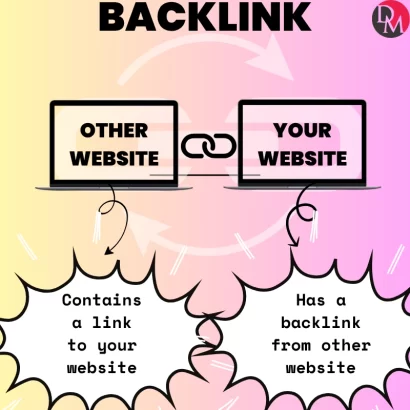
- What Are Backlinks? A Beginner's Guide June 10, 2025